
Published on 21 April 2026
In the shallow waters of the Straits of Johor, scientists explore a delicate seagrass meadow for one of the ocean’s most enchanting animals.
On the first weekend of 2026, conservationists from Malaysia’s Save Our Seahorses (SOS) and Singapore Oceanarium set out for an expedition to Merambong Shoal, a quiet seagrass meadow in the Straits of Johor in between two nations.
Their mission: to seek out and monitor the seahorses that cling to life among the gently swaying seagrasses.
Seagrass meadows are more than just patches of underwater plants. They are bustling ecosystems, sheltering and supporting countless marine animals, while also being an excellent buffer against climate change by capturing carbon from the atmosphere. Seahorses play a quiet but important role in maintaining this ecosystem, yet the meadows are fragile. Pollution, coastal development, and changing seas are slowly eroding their safety and stability, threatening to drag many of its inhabitants down into decline.

Dr Adam Lim (centre) briefs Singapore Oceanarium and SOS Team Members on the boat journey to Merambong Shoal.
Led by Dr. Adam Lim, the team continued SOS’s long-running tag-and-release project, carefully tracking the local seahorse population. Their recent study shows that the Spotted Seahorse (Hippocampus kuda) is under pressure here, with its numbers facing a massive decline. While there are some hints at the population’s recovery, the future remains murky.
Searching the Seagrass

Plastic bottle floating around the Merambong Shoal.

Scummy water due to runoff from the mainland.
Finding a seahorse is an exercise in patience.
The team waded through calf-deep mud, where plastic tangled in the grass and murky runoff clouded the waters. Scars from past coastal development reminded them of the pressures these small animals face.
Still, the search continued.

Spotted Seahorse (Hippocampus kuda) among the seagrass at Merambong Shoal during low tide.
Seahorses are masters of disguise. Their curled tails wrap around blades of seagrass, swaying gently with the current, almost invisible to the human eye. Hours passed. And then, small, delicate, and alive, a breakthrough: three previously untagged seahorses were discovered, including one pregnant male.
The numbers were modest, but the meaning was profound.
Nature’s Most Unusual Fathers
Seahorses are among the ocean’s most remarkable inhabitants. Like all members of the Syngnathidae family, including pipefishes and seadragons, it is the males that carry and give birth to their young—a rare reproductive strategy in the animal kingdom.
Male seahorses brood fertilised eggs in a delicate pouch before releasing fully formed offspring—a role reversal both curious and extraordinary.
Yet these creatures are fragile. Poor swimmers, they rarely leave their homes. When seagrass disappears, so do they. Because of their close dependence on their habitat, seahorses act as sensitive indicators of ocean health to scientists.

SOS project leader Wong Jieyi tagging the seahorse using visible implant elastomers.

SOS project leader Wong Jieyi recording the seahorse’s height as part of the data collection process.
Each seahorse was measured, tagged, and returned to its original spot. Over time, these tags help researchers monitor population trends and recovery. Every encounter adds a piece to the story of life in the meadow.
Beyond Borders
As the last seahorse disappeared into the gentle sway of the grass, the team paused to reflect.

SOS team and Singapore Oceanarium Team Member Lim Wei Zhi working together.

The pregnant male seahorse found during the expedition.
The challenges faced by Merambong Shoal—habitat loss, pollution, and climate change, mirror pressures on marine ecosystems everywhere. Protecting these waters requires cooperation, curiosity, and a shared sense of responsibility that crosses borders.

Sunset at Merambong Shoal.
In the Year of the Horse, Singapore Oceanarium continues to strengthen regional partnerships to support marine conservation across Southeast Asia.
Sometimes, progress begins not with grand gestures, but with something small. A single seahorse, swaying in the grass, reminding us of the fragile beauty that surrounds us, and the care it deserves.
We extend our gratitude to Dr. Adam Lim and the SOS team for the invitation to collaborate in the field and look forward to the growth of what will be a lasting and impactful partnership.
Delve into the intriguing nature of seahorses
Discover the fascinating world of seahorses—join our Animal Spotlight: Seahorses programme for an up-close look at their feeding and care, and uncover the extraordinary adaptations of these delicate animals.
Recommended Stories
Stay abreast of our inspiring news and stories from beneath the water’s surface, and above it, as we endeavour to protect the ocean and its magnificent marine life.
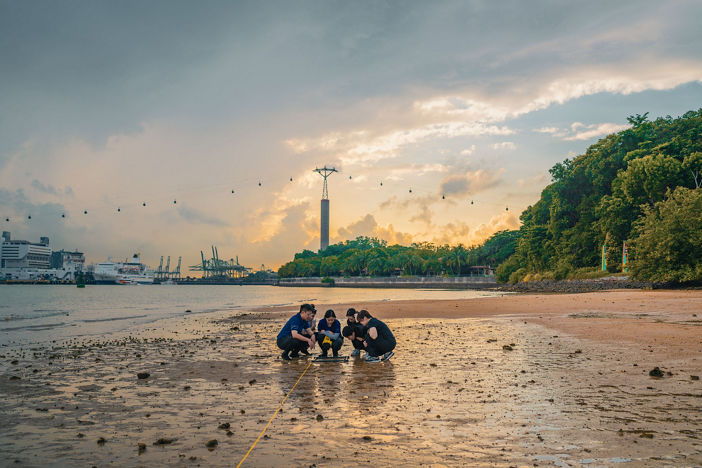
Love the Ocean? Become a Citizen Scientist.
When the tide recedes, Singapore’s coastline reveals a hidden world teeming with life. Through Singapore Oceanarium’s Citizen Science programme, anyone can step into this world.
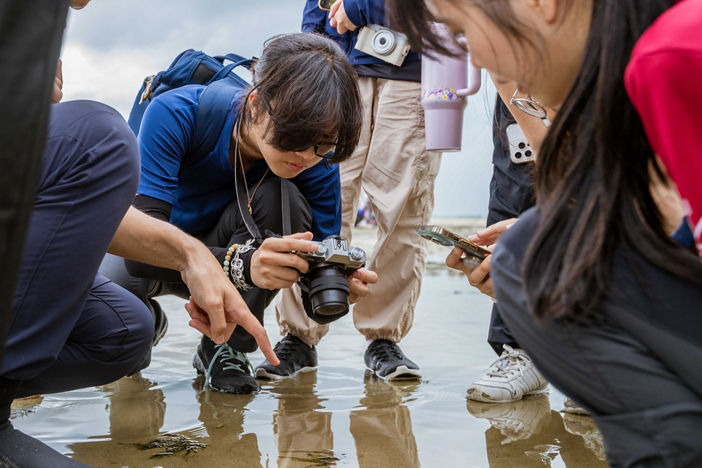
How Youth are Shaping Our Ocean’s Future
The future of our oceans depends on the ideas, voices, and actions of today’s youth. Launched in 2023, the Youth Ocean Ambassador programme invites passionate youth in Singapore aged 15 to 18 to step forward, connect with like-minded peers, and take an active role in marine conservation.

Sea Jelly Specialist: Toughest Job in the World?
No brain, no bones, no central nervous system. Yet behind the delicate beauty of sea jellies lies a world of complexity that makes caring for them one of the most challenging jobs in an oceanarium. Or some say, in the world.
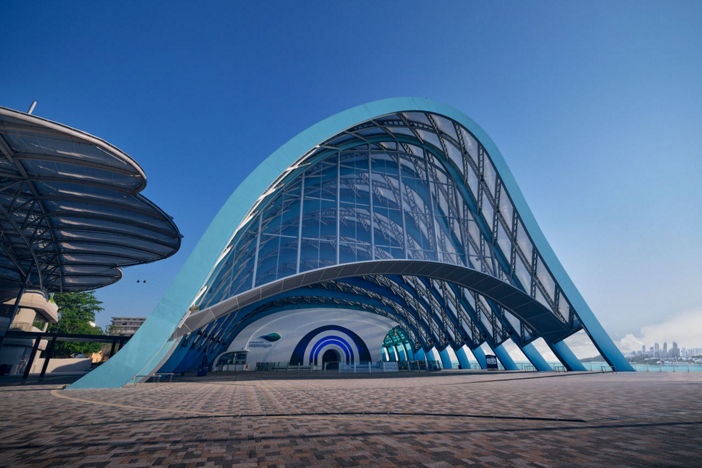
Five Years, One Oceanarium, Endless Lessons
When I first joined the project, “Singapore Oceanarium” was just an idea to many. For me, it became five years of learning, challenges, and growth.
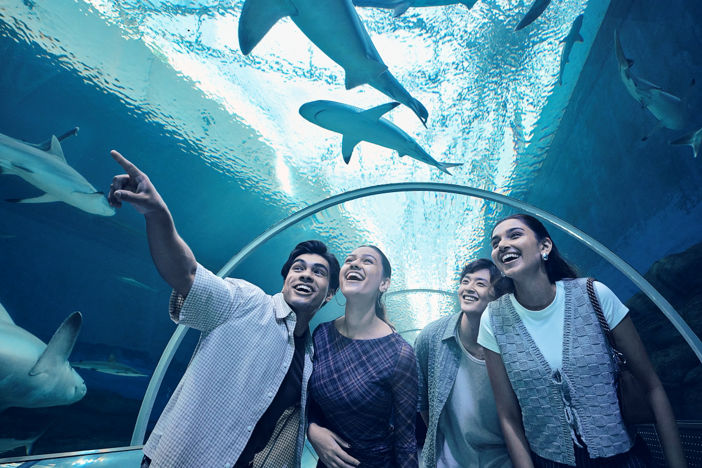
Insider Tips: Top 5 Things to Do at Singapore Oceanarium
Planning a day out with your crew? Whether you're all about marine life or just hunting for something fun and different, Singapore Oceanarium is packed with experiences that’ll make your group chat light up. Here are the top 5 things to explore when you visit.
-262301:3by2?wid=702&hei=468)
Sleep Beside Sharks? Meet the New Ocean Dreams.
Imagine lying in your sleeping bag as manta rays glide above you, sharks silently patrol the waters, and schools of shimmering fish dance in front of your eyes. This is not a dream. This is Ocean Dreams, Singapore Oceanarium’s reimagined overnight experience.